A generous headline commission is easy to notice. The harder question is whether the program fits the products you recommend, lets you share links through your actual Instagram route, and pays on the purchases your readers can make.
Use this checklist before filling an outfit page or a bio link with new affiliate URLs. It is a way to compare a small number of programs against one real post, not a ranking of networks or a prediction of earnings.
01
Start with a product your reader came to find
Choose one recent post and write down the question it prompted. A follower asking for the exact rain jacket needs a different answer from someone asking for a cheaper jacket with a similar cut. List the exact item, color, variant, retailer, and the countries where your audience can buy it.
Now make a shortlist of programs that carry that product or a clearly labelled alternative. Check the retailer and product page before comparing commission terms. A program with an attractive rate is little help if the item is unavailable in your reader’s market or you cannot explain why you recommend it.
“Where is the navy jacket from?”
Exact item: brand, model, navy, size shown.
Alternative: similar cut, different fabric — label the difference.
02
Read the rules for your actual publishing route
Open each candidate’s current agreement and record five answers: which social accounts or websites you must register; whether Instagram, a bio page, and a third-party shoppable page are permitted; which products and countries qualify; how a referred purchase is attributed and validated; and when a commission becomes payable. If a term is unclear, ask the program before publishing the link.
Do not assume that one provider’s rules apply to another. For example, Amazon Associates’ operating agreement describes its own approved link formats and qualifying purchases, while its commission statement contains specific eligibility and session rules. These are examples of details to look for, not terms to copy into every program.
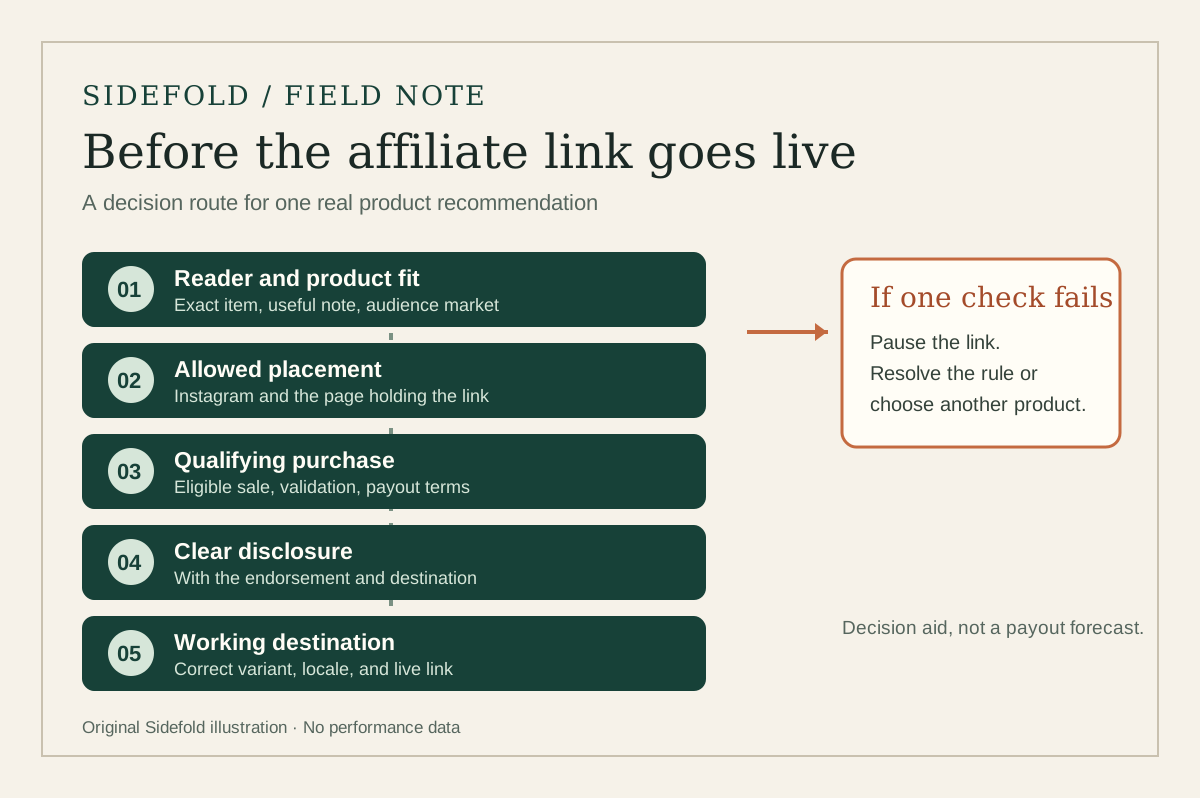
The diagram above follows the decision in order: reader fit, allowed placement, qualifying purchase, disclosure, and a working destination. Stop when a gate fails. A higher quoted percentage does not repair a prohibited placement or a broken product page.
03
Compare two candidates without forecasting income
Make a small comparison for the exact product you plan to share. Copy the term’s source URL and the date you checked it so you can revisit it. Leave a blank where the provider has not stated a rule; do not fill it with a guess.
| Check | Program A | Program B |
|---|---|---|
| Exact item and audience market | Available? | Available? |
| Instagram and destination-page placement | Allowed in terms? | Allowed in terms? |
| Qualifying sale and attribution | What counts? | What counts? |
| Returns, validation, and payout | When final? | When final? |
| Disclosure and required wording | What must appear? | What must appear? |
This is an empty planning worksheet, not a comparison of real providers. Keep clicks, pending commissions, and settled payouts separate. Our ShopMy and LTK guide shows how two specific creator platforms differ; check their current terms before using either.
04
Plan the disclosure before you write the caption
If you may earn from a recommendation, make that relationship clear where people encounter it. The FTC’s influencer guide says a disclosure should be easy to notice and placed with the endorsement; a profile-only statement can be missed. Rules in other markets may differ.
Instagram’s branded-content guidance includes posts and reels with third-party affiliate product links among cases calling for its paid partnership label. Check the current instructions for the format you publish and do not rely on a platform label alone to explain the relationship to every reader. Some programs also require their own wording; Amazon’s disclosure help is one example.
Write the disclosure before the post goes live, then review the visible caption or Story and the destination page on a phone. If an alternative product is paid but the original is not, make the distinction clear beside the recommendation.
05
Publish one route and inspect it end to end
Generate the eligible URL from the approved program. Follow your audience’s path from the Instagram post to your bio or direct link, then to the exact product page. Check the item, variant, locale, redirects, and whether the disclosure remains visible. Recheck after the retailer changes a listing or the product sells out.
Sidefold shoppable posts can keep a photo, product markers, notes, and the retailer URLs you supply together. Sidefold preserves those destinations; your affiliate provider remains responsible for purchase attribution and payment. Confirm your program permits the page where you plan to place its links. Our Instagram affiliate link guide covers the publishing workflow after you have chosen a program.
Judge the test by whether readers can find the promised item and whether the route follows the current rules. A first post cannot tell you what a program will reliably earn. Review settled results in the provider’s account over time, and keep the recommendation useful even if no commission follows.
06
Common questions
Which Instagram affiliate program pays the most?
There is no reliable universal winner. Published rates can vary by product and market, and a quoted rate is not a settled commission. Compare the current terms for products your readers actually want.
Can I join more than one program?
Often, but each agreement controls where and how its links may appear. Read the terms for every program and keep a record of which link belongs to which provider.
Does Sidefold approve or pay affiliate commissions?
No. Sidefold can publish a photo-led page using the product URLs you supply. The affiliate program decides eligibility, attribution, and payment.
Check one product before joining another program.
Compare the live terms, keep the reader’s route clear, and publish only links you can explain and test.